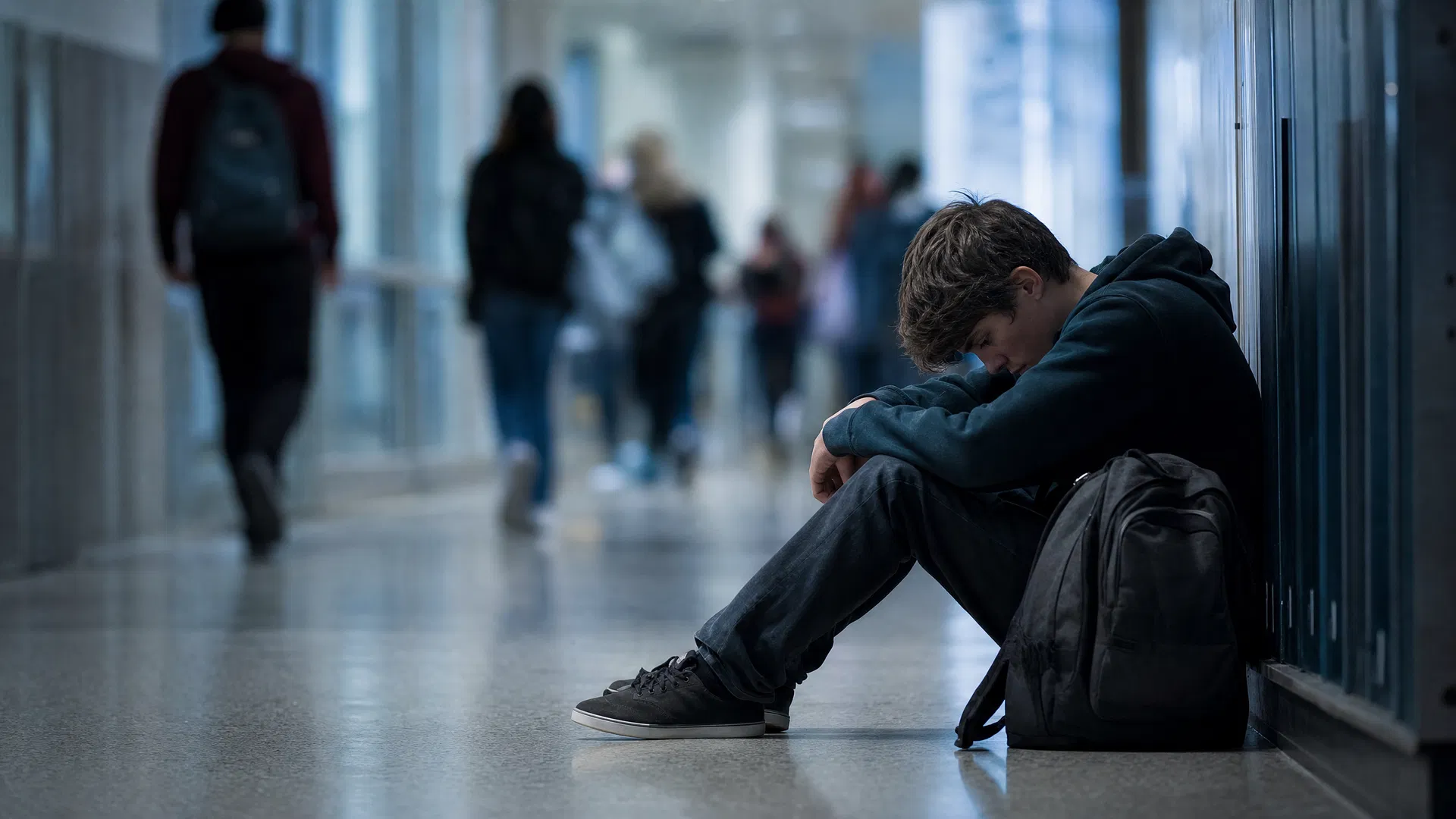
The data is impossible to ignore. According to the National Institute of Mental Health (NIMH), an estimated 5 million adolescents aged 12 to 17 in the United States had at least one major depressive episode in a recent year — representing 20.1% of the U.S. adolescent population. One in five teenagers.
The CDC's 2023 Youth Risk Behavior Survey found that 39.7% of high school students reported persistent sadness or hopelessness. That is nearly four in ten high school students carrying a weight that most adults around them cannot see.
Why Youth Depression Often Goes Unrecognized
Depression in young people does not always look the way adults expect. While adults with depression often appear sad and withdrawn, teenagers may present differently: with irritability, anger, physical complaints (headaches, stomachaches), declining grades, social withdrawal, or changes in sleep and appetite. These signs are easy to dismiss as "normal teenage behavior" — which is exactly why so many cases go unidentified.
Only about 30% of depressed teens are receiving treatment. That means roughly 70% are struggling without adequate support.
What Parents and Coaches Can Do
The adults in a young person's life — parents, coaches, teachers, mentors — are often the first to notice when something is wrong. A persistent sad mood, changes in appetite or sleep patterns, or a noticeable shift in behavior that lasts more than two weeks warrants a conversation with a doctor.
The most important thing any adult can do is create an environment where a young person feels safe enough to say "I'm not okay." That starts with listening without judgment and taking what you hear seriously. If you are concerned about a young person in your life, please reach out to their doctor, a school counselor, or the 988 Suicide and Crisis Lifeline (call or text 988).