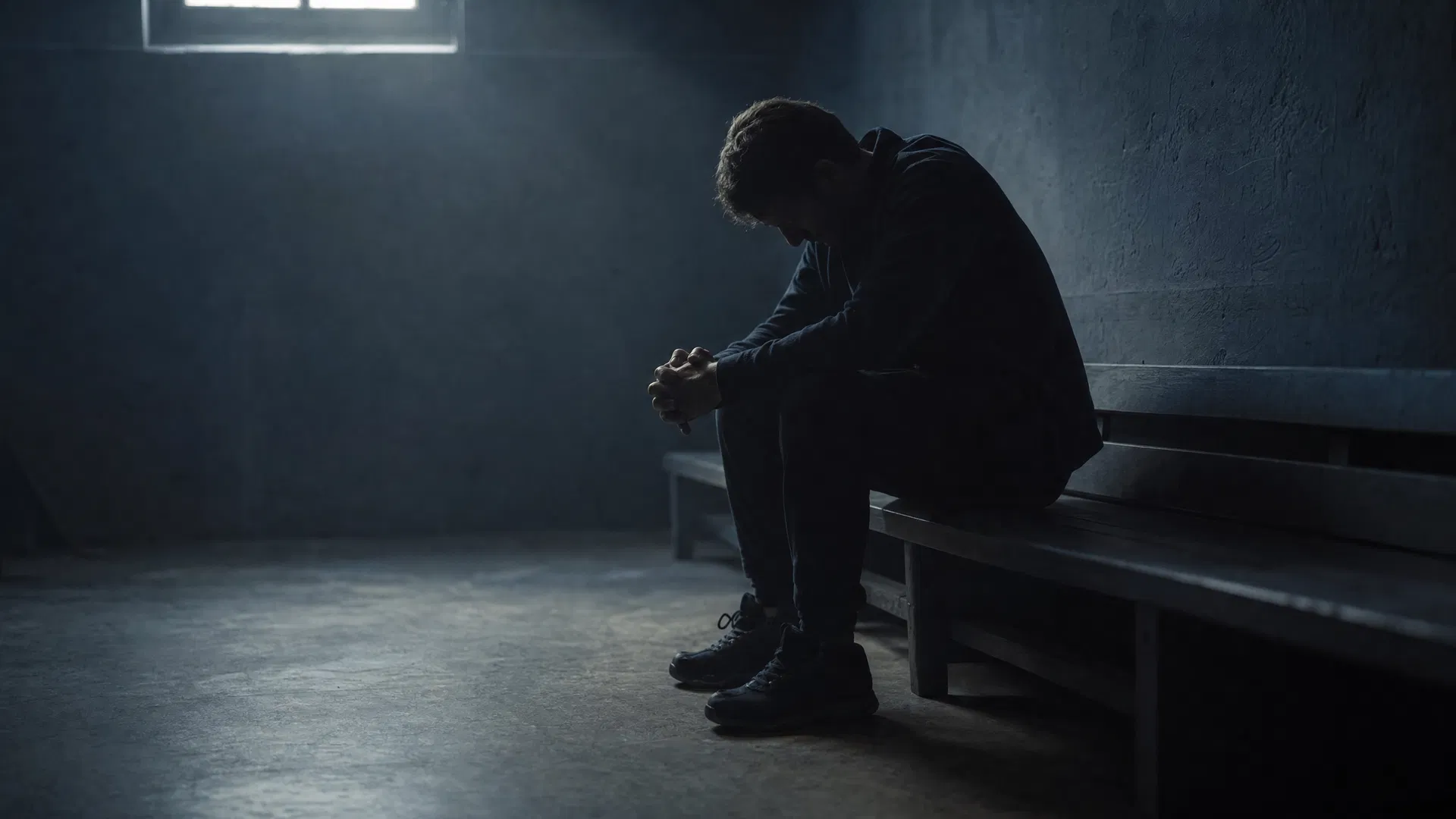
Depression is one of the most common and misunderstood mental health conditions in the world. According to the World Health Organization, approximately 280 million people worldwide live with depression — and yet it remains widely undertreated, often because people do not recognize it for what it is.
Depression is not sadness. It is not weakness. It is not something you can simply "snap out of." According to Mental Health America (MHA), depression is a medical condition that affects how you think, feel, and function in daily life. It can interfere with your ability to work, maintain relationships, and take care of yourself.
What Depression Actually Looks Like
The symptoms of depression vary from person to person, but common signs include persistent sadness or emptiness, loss of interest in activities you once enjoyed, fatigue and low energy, changes in sleep or appetite, difficulty concentrating, feelings of worthlessness or guilt, and in severe cases, thoughts of death or self-harm.
One of the most important things to understand is that depression is not always visible. A person experiencing depression may appear to function normally on the outside while struggling deeply on the inside. This is sometimes called "high-functioning depression" — and it is one reason why so many people go undiagnosed and untreated.
What Causes Depression?
According to HelpGuide, biological, social, and psychological factors all contribute to depression. The stress and anxiety of modern life — worries about money, relationships, and health, loneliness, grief, and the daily weight of difficult circumstances — can trigger depression for the first time or worsen existing symptoms.
Depression Is Treatable
The most important thing to know is this: depression is treatable. With the right support — which may include therapy, medication, lifestyle changes, and community connection — most people with depression can and do recover. If you or someone you know is struggling, please reach out. Call or text 988.