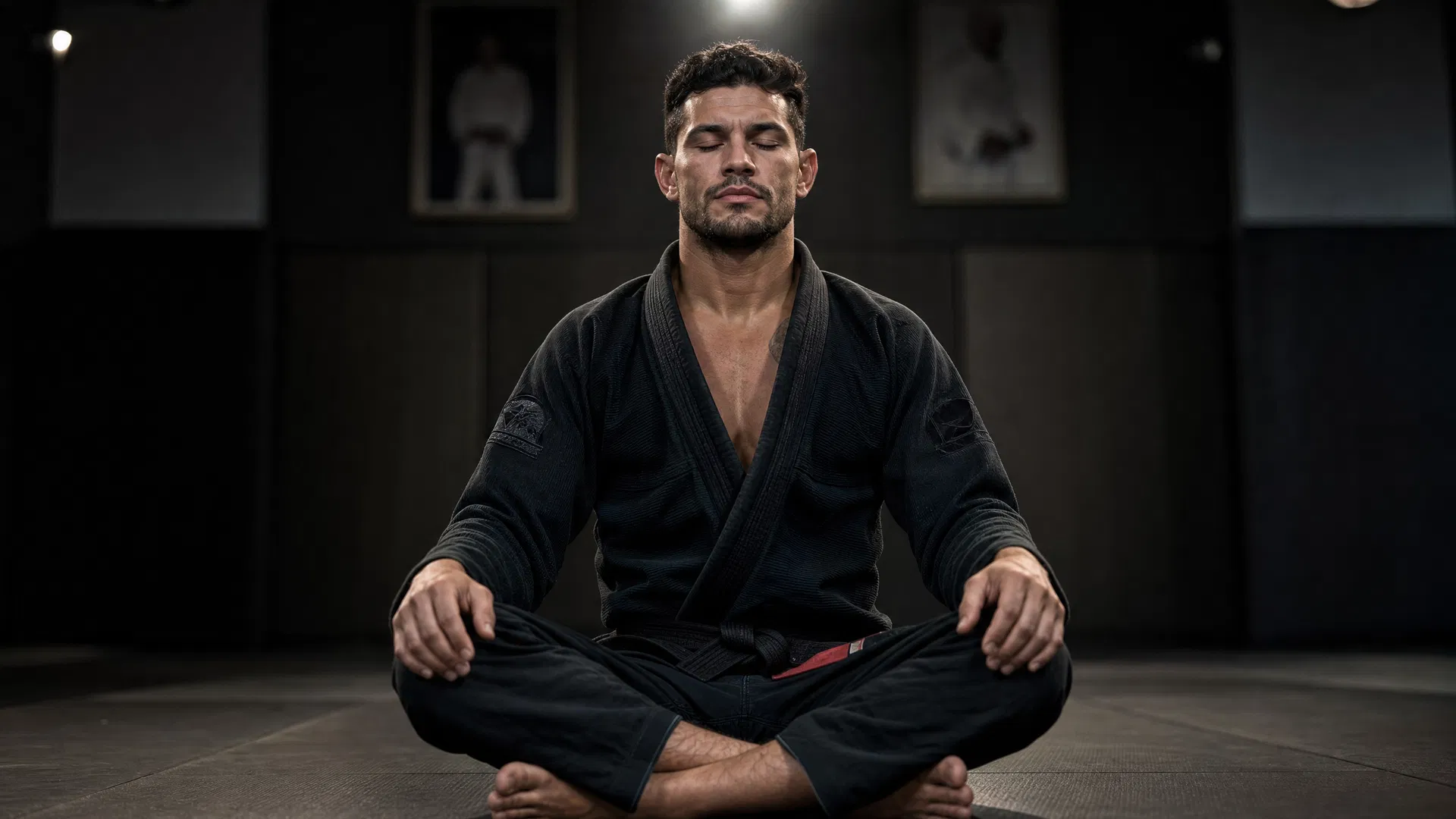
There is a moment in every BJJ roll when you are exhausted, uncomfortable, and your mind is telling you to quit. In that moment, you have a choice. You can tap out — or you can find a way to keep going. That moment, repeated hundreds of times on the mat, trains something far more important than technique. It trains resilience.
Mental resilience — the ability to adapt, recover, and keep moving forward in the face of adversity — is one of the most important protective factors against depression and anxiety. And jiu-jitsu, by its very nature, is a resilience-building practice.
Exercise as a Natural Antidepressant
Regular physical activity can be as effective as antidepressant medication for some people with mild to moderate depression. Exercise increases serotonin and endorphin levels, reduces cortisol, and improves sleep — all of which directly affect mood and emotional regulation.
BJJ is not just exercise. It is rhythmic, full-body, cognitively demanding movement. The focus required to execute a sweep, defend a submission, or work from a bad position leaves little room for the rumination that feeds depression. For the duration of a roll, your mind is fully present — and that presence is itself therapeutic.
The Power of Showing Up
The discipline of showing up to the mat — even when you do not feel like it — is exactly the kind of behavioral activation that mental health professionals recommend as a core treatment for depression. Every time you show up when you do not want to, you are proving to yourself that you can. That proof accumulates. It becomes a foundation.
Community as a Protective Factor
Social isolation is one of the strongest predictors of depression. BJJ gyms are, at their best, communities of accountability and care. Your training partners notice when you are absent. They celebrate your progress. They push you when you need it and support you when you are down. Call or text 988 if you need support.